
Views: 0 Author: Site Editor Publish Time: 2025-11-14 Origin: Site


With the rapid growth of the food processing industry, energy costs have become a major concern, particularly for facilities that rely on cold storage to preserve perishable products. At the same time, sustainability has emerged as a critical priority, pushing companies to find ways to reduce energy consumption without compromising food quality. Efficient cold storage solutions play a key role in this balance. By optimizing temperature control, insulation, and energy usage, modern cold storage systems not only protect the freshness and safety of food but also support more sustainable processing practices. This article explores how energy-efficient cold storage can enhance operational efficiency while minimizing environmental impact.
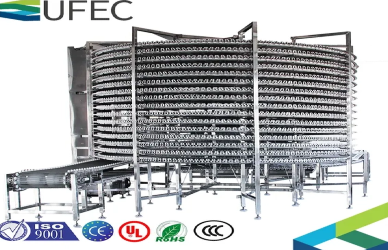
Energy-efficient quick freezers are specialized cold storage systems designed to rapidly freeze food while minimizing energy consumption. Unlike traditional freezers that may consume excessive power during continuous operation, energy-efficient models optimize every stage of the freezing process to reduce electricity use without compromising product quality. These freezers are commonly used in seafood, meat, and ready-to-eat food processing, where maintaining freshness, texture, and nutritional value is critical.
The main difference between energy-efficient quick freezers and conventional quick freezers lies in their power management and operational design. While standard quick freezers focus primarily on freezing speed and volume, energy-efficient models integrate smart control systems, improved insulation, and optimized airflow to achieve the same rapid freezing results with significantly lower energy consumption. This makes them more cost-effective and environmentally friendly, particularly in facilities with large-scale cold storage needs.
Advanced Insulation – Reduces heat transfer and energy loss, keeping internal temperatures stable and minimizing the workload on compressors.
Smart Temperature Controls – Allows precise regulation of freezing cycles, preventing overcooling while maintaining food quality.
Optimized Airflow – Ensures uniform freezing throughout the cold storage chamber, so all products are frozen consistently without energy waste.
By combining these features, energy-efficient quick freezers not only enhance operational efficiency but also support sustainable cold storage practices, making them a vital component in modern food processing facilities.
One of the primary benefits of energy-efficient quick freezers in cold storage is the significant reduction in energy usage. These systems are engineered to maintain rapid freezing performance while using less electricity than conventional freezers. By optimizing compressor operation, airflow, and temperature regulation, facilities can lower operational costs without compromising the quality of frozen seafood, meat, or ready-to-eat products. This not only improves profitability but also reduces the environmental impact associated with high energy consumption.
Energy-efficient quick freezers play a crucial role in sustainable food processing. By minimizing energy consumption, they help lower carbon emissions, contributing to more eco-friendly operations. In seafood, meat, and ready-to-eat food processing, maintaining efficient cold storage is essential not only for preserving product quality but also for supporting corporate sustainability goals. These systems enable companies to meet environmental standards while continuing to produce high-quality frozen products.
Another key advantage is the enhanced preservation of product quality. Rapid and consistent freezing ensures that food maintains its natural texture, flavor, and nutritional value. Small ice crystals form during quick freezing, which reduces cellular damage and moisture loss. This minimizes spoilage and waste, ensuring that products leaving the cold storage facility meet both safety standards and consumer expectations for freshness.
Energy-efficient quick freezers are designed for seamless integration into modern cold storage and processing facilities. They can be retrofitted into existing production lines, supporting continuous or batch processing without major disruptions. Moreover, these systems are compatible with automated and smart processing technologies, including IoT-enabled monitoring and control. This allows facilities to optimize operations, track energy use, and maintain consistent freezing quality across all products.
Modern cold storage facilities use intelligent temperature and airflow control systems to maintain optimal freezing conditions. These systems monitor internal temperatures in real time and adjust the flow of cold air to ensure uniform freezing. By preventing overcooling or uneven temperature distribution, these controls minimize energy waste while preserving the quality of seafood, meat, and other perishable products.
Energy-efficient cold storage relies on advanced refrigeration compressors that operate more effectively and consume less power. Variable-speed compressors can adapt to fluctuating loads, maintaining the desired temperature while reducing unnecessary energy use. This not only lowers electricity costs but also extends the lifespan of the refrigeration system.
High-performance insulation is critical for reducing heat transfer and maintaining stable temperatures within cold storage units. Modern insulation materials minimize energy loss, decrease the workload on compressors, and help maintain consistent freezing conditions. This technology ensures that energy is used efficiently while protecting product quality during storage.
Automation and IoT-enabled monitoring are transforming cold storage operations. Sensors and connected devices allow facility managers to track temperature, humidity, and energy consumption remotely. Automated alerts can prevent equipment malfunctions and optimize performance, ensuring that products remain safe and high-quality. This integration of smart technologies enhances both operational efficiency and sustainability.
One of the biggest challenges for cold storage facilities is the ongoing increase in energy prices. Maintaining low temperatures for seafood, meat, and ready-to-eat products requires significant electricity, which can substantially impact operational costs. Energy-efficient quick freezers can mitigate this, but balancing performance and cost will remain a critical concern for the industry.
As environmental regulations tighten and consumer demand for eco-friendly products grows, cold storage operations face pressure to reduce their carbon footprint. Implementing sustainable practices, such as using energy-efficient equipment and optimizing refrigeration cycles, is essential. However, integrating these solutions while maintaining high production output and product quality remains a key challenge.
Modern cold storage relies on automation, IoT monitoring, and smart controls to improve efficiency. The challenge lies in integrating new technologies into existing facilities without disrupting operations. Retrofitting older cold storage systems or ensuring compatibility between different equipment can be complex and costly, especially for large-scale seafood and meat processing plants.
Global supply chains require consistent temperature management during storage and transport. For cold storage, this means not only maintaining rapid freezing performance but also ensuring that products remain fresh and safe throughout the distribution process. Achieving this consistently, especially with varying storage durations and distances, is a future challenge that will require advanced monitoring and energy-efficient freezing solutions.
Energy-efficient quick freezers in cold storage differ from conventional models by focusing on reduced energy consumption, smart controls, and optimized airflow. While traditional freezers prioritize speed and volume, energy-efficient systems use intelligent temperature regulation and precise air circulation to maintain rapid freezing performance while minimizing electricity use. This allows facilities to operate more sustainably without sacrificing product quality.
Yes, modern energy-efficient quick freezers are designed to freeze rapidly without compromising product quality. Advanced technologies, such as optimized airflow, smart temperature controls, and high-performance insulation, ensure that seafood, meat, and other perishable items are frozen evenly and quickly. This maintains the natural texture, flavor, and nutritional value while reducing overall energy consumption.
The energy savings of energy-efficient cold storage quick freezers can vary depending on the system type, size, and operational conditions. On average, facilities can expect energy reductions of 20–30% compared to traditional freezers. By using smart controls, variable-speed compressors, and improved insulation, these systems deliver significant cost savings while maintaining optimal freezing performance.
Absolutely. Many energy-efficient quick freezers feature scalable designs, making them suitable for both large industrial facilities and small to medium-sized processing plants. Whether for a seafood, meat, or ready-to-eat food operation, these systems can be tailored to match production volume and cold storage capacity, offering flexibility without compromising efficiency or sustainability.
In conclusion, modern cold storage facilities gain substantial benefits from adopting energy-efficient quick freezers. These advanced systems not only deliver significant energy savings but also play a vital role in promoting sustainable food processing by minimizing carbon emissions, reducing operational waste, and supporting eco-friendly practices. At the same time, they help preserve the quality, texture, and nutritional value of seafood, meat, and ready-to-eat products, ensuring that consumers receive fresh, safe, and high-quality food. By lowering electricity consumption and operational costs, energy-efficient quick freezers provide both economic and environmental advantages, making them a smart investment for food processing facilities of all sizes. Looking ahead, the future of cold storage lies in smarter, IoT-integrated, and eco-friendly quick freezers, which will enable food processing plants to achieve higher operational efficiency, better product consistency, and more sustainable practices throughout the supply chain. As technology continues to advance, these innovations will be essential for building next-generation, energy-conscious cold storage operations that meet both regulatory standards and growing consumer expectations for sustainable and high-quality frozen foods.
