


Fresh fish can lose quality quickly if it is not handled in the right way. That is why fish processing is an essential step after harvest.
It turns raw fish and seafood into safer, cleaner, longer-lasting, and more market-ready products. These products may include chilled fish, fillets, frozen portions, smoked seafood, canned products, or ready-to-cook items.
Proper processing also helps reduce spoilage, protect texture and flavor, and support food safety across the seafood supply chain.
In this article, you will learn what fish processing means, why it matters, which methods are commonly used, and how modern equipment supports seafood production.
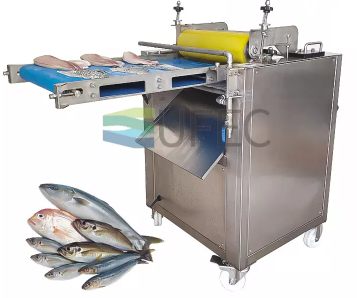
A practical fish processing definition is this: fish processing is a series of physical, thermal, chemical, or preservation operations applied to fish after harvest. These operations may be basic, such as washing and gutting. They may also be advanced, such as fish freezing, smoking, drying, canning, breading, seasoning, or forming minced fish into value-added products.
The fish processing meaning depends on the final product. For fresh seafood, it may focus on cleaning, grading, fish filleting, chilling, and packaging. For frozen seafood, it may include pre-treatment, portioning, rapid freezing, glazing, and cold storage. For ready-to-cook products, it may also include mixing, coating, shaping, cooking, or packing.
Fish processing can include finfish, shellfish, crustaceans, and other edible aquatic products. Common examples include salmon, cod, tuna, tilapia, shrimp, crab, squid, clams, oysters, and scallops.
Although seafood categories are broad, the core idea is the same: raw aquatic products need controlled handling, preparation, preservation, and packaging before they reach buyers or consumers.
Fish contains high moisture and soft muscle tissue. It also carries microorganisms on the skin, gills, and digestive tract. After harvest, enzymes and bacteria can start to break down the flesh. This may cause odor, texture loss, discoloration, and spoilage.
For this reason, fast chilling, clean handling, and controlled processing are essential. The sooner fish enters a safe processing flow, the better its freshness, yield, and market value.
Fish handling and processing are closely linked, but they are not the same. Fish handling usually refers to the immediate actions taken after harvest. These include sorting, washing, icing, loading, and transport. The goal is to protect freshness before the fish enters the processing stage.
Fish processing goes further. It changes raw fish into fresh, frozen, dried, smoked, canned, filleted, portioned, or ready-to-cook products. It may involve primary fish processing, secondary fish processing, or both.
Area | Main Purpose | Common Activities |
Fish handling | Protect freshness immediately after harvest | Sorting, washing, icing, loading, transport |
Fish processing | Transform fish into market-ready products | Gutting, scaling, filleting, freezing, drying, smoking, canning, packaging |
Primary fish processing | Prepare raw fish for sale or further processing | Washing, grading, heading, gutting, scaling, fish filleting, chilling |
Secondary fish processing | Create preserved or value-added products | Freezing, smoking, drying, breading, seasoning, canning, ready-to-cook production |
Note: For B2B seafood buyers, it is useful to separate handling requirements from processing specifications when discussing product quality, shelf life, and delivery standards.
Fish processing may happen in different places. Some basic work takes place onboard fishing vessels. Larger operations use shore-based processing plants, seafood factories, cold storage facilities, and export-oriented production lines. Small local businesses may still use manual or semi-manual methods, especially for fresh fish markets or specialty seafood products.
Food safety is one of the main reasons for fish processing. Proper washing, gutting, chilling, freezing, cooking, or preservation can help reduce contamination risks. Processing plants must control hygiene, time, temperature, equipment cleanliness, and worker practices.
This is especially important for seafood because quality can decline fast when cold-chain control is weak. Clean water, sanitized tools, washable surfaces, and separation between raw and processed zones all help protect product safety.
Fish preservation methods such as chilling, freezing, drying, salting, curing, smoking, canning, and vacuum packaging slow spoilage. These methods allow fish to move through longer supply chains and reach distant markets.
For seafood businesses, longer shelf life means more stable inventory, fewer rejected shipments, and lower product loss. It also helps exporters serve buyers in regions far from the harvest location.
Good fish processing does more than prevent spoilage. It also protects texture, flavor, color, and nutrition. Poor handling can cause soft flesh, high drip loss after thawing, rancid flavor, or poor appearance.
The right processing method should match the species and final product goal. For example, delicate white fish may need gentle filleting and rapid chilling. Fatty fish may need stronger oxidation control. Frozen export products need fast freezing and stable storage.
Processing can turn raw fish into products with higher commercial value. Examples include fillets, loins, frozen portions, smoked fish, canned fish, fish sticks, breaded fillets, fish cakes, minced fish products, and ready-to-cook seafood.
These products are easier to sell because they save preparation time. They also help processors use raw materials more efficiently.
The fish processing steps usually begin when raw fish arrives at the plant. Workers or inspection systems check the fish for freshness, species, size, defects, odor, damage, and suitability for processing.
Sorting and grading help create consistent product batches. This step matters because different sizes or quality grades may require different cuts, freezing times, or packaging formats.
After inspection, fish are washed to remove slime, blood, dirt, and surface contamination. Depending on the species and final product, the process may include scaling, gutting, heading, fin removal, or trimming.
Gutting removes viscera, which can carry enzymes and bacteria. Clean handling at this stage reduces cross-contamination and helps maintain product quality.
Fish may be sold as whole fish, headed fish, steaks, fillets, loins, chunks, or portions. Fish filleting is one of the most common primary processing operations for retail and foodservice markets.
Cut specifications depend on market needs. A supermarket buyer may want uniform fillets. A frozen food processor may prefer blocks or portions. A foodservice buyer may require fixed-weight cuts for menu control.
Temperature control is essential after cutting. Chilled seafood has a shorter shelf life and requires fast distribution. Frozen seafood can support longer storage and export, but it needs proper freezing and cold storage.
Fish freezing should be fast enough to limit large ice crystal formation. Slow freezing can damage muscle structure and increase drip loss after thawing.
Chilling lowers temperature and slows microbial growth and enzyme activity. It is often the first preservation method after harvest. Ice, refrigerated seawater, chilled rooms, and cold storage systems are common options.
However, chilled fish still has a limited shelf life. Time and temperature must be controlled from harvest to processing, packaging, transport, and retail display.
Freezing is one of the most important fish preservation methods for modern seafood supply. It helps preserve freshness, flavor, texture, and nutrition when done properly.
Rapid freezing is especially useful because it helps reduce large ice crystals in the flesh. Smaller ice crystals cause less structural damage, which helps protect texture and reduce drip loss after thawing.
Drying removes moisture. Salting and curing reduce available water and make it harder for spoilage organisms to grow. These traditional methods are still commercially relevant in many regions.
Dried fish, salted fish, and cured seafood products can be transported over long distances and stored more easily than fresh fish. They also have distinct flavors, which may appeal to specific markets.
Smoking adds flavor and may help preservation, depending on the process. Cold-smoked products usually need refrigeration. Hot-smoked products are cooked during smoking and may have different shelf-life requirements.
Heating and canning are used to kill microorganisms and create safer, more stable products. Canned fish can be stored for long periods when processed and sealed correctly.
A fish processing machine can support scaling, gutting, heading, filleting, skinning, trimming, washing, grading, freezing, glazing, weighing, and packaging. Machines help reduce manual variation and create more repeatable output.
For B2B buyers, consistency is often as important as volume. Uniform cuts, stable portion weights, clean trimming, and reliable packaging help processors meet buyer specifications.
Manual processing is still common in small operations, premium seafood handling, delicate species, or products requiring skilled trimming. It gives workers flexibility and visual control.
However, manual work can limit throughput and may create higher labor intensity. Many seafood plants use a mixed model: machines handle repetitive tasks, while trained workers manage quality checks and delicate adjustments.
Seafood processing equipment types may include washers, graders, de-scalers, gutting machines, filleting machines, freezing systems, conveyors, packaging machines, and metal detection systems.
Food-grade stainless contact surfaces, washable structures, smooth product flow, and reduced direct handling can support hygiene. Good equipment layout also helps separate raw, semi-processed, and finished product zones.
Suitable equipment can improve throughput, reduce labor pressure, increase yield control, and support standardized product formats. It also helps plants manage large seasonal harvests or export orders.
Equipment Area | Typical Use | B2B Value |
Washing and cleaning | Remove slime, blood, dirt, and residues | Better hygiene and product appearance |
Scaling, gutting, heading | Prepare fish for further processing | Faster primary fish processing |
Filleting and trimming | Create fillets, loins, and portions | More consistent cuts and specifications |
Freezing and glazing | Preserve fish for storage and export | Longer shelf life and better logistics |
Packaging and weighing | Pack products by weight or format | Easier inventory and buyer compliance |
Fresh fish processing focuses on speed, hygiene, and temperature control. Common steps include receiving, sorting, washing, grading, gutting, fish filleting, chilling, and packaging.
Fresh seafood has a short shelf life, so cold-chain control is the central quality factor. Even good processing cannot protect fresh fish if transport or storage temperatures are unstable.
Frozen fish processing usually includes pre-treatment, cutting, portioning, freezing, glazing, packaging, and cold storage. It is widely used for export and long-distance distribution.
Glazing can help protect frozen fish from dehydration during storage. Packaging also matters because it reduces moisture loss and protects against contamination.
Value-added fish processing includes breaded fish, seasoned portions, smoked products, fish cakes, minced fish products, surimi-style products, and ready-to-cook seafood.
This type of seafood processing improves convenience and market differentiation. It also helps processors use trimmings or smaller raw materials more effectively, as long as food safety and quality standards are maintained.
Temperature control is the backbone of fish quality. Fish should be chilled quickly after harvest, processed under controlled conditions, and stored at suitable temperatures.
For frozen products, stable cold storage is essential. Temperature fluctuation can cause ice recrystallization, texture damage, dehydration, and quality loss.
Clean water, worker hygiene, equipment sanitation, waste removal, and separation of raw and processed areas are all important. Processing plants should also control drainage, surface cleaning, and product flow.
Seafood safety depends on the full system, not one single step. A clean filleting line is not enough if receiving, storage, packaging, or transport conditions are weak.
Moisture affects product quality and shelf life. Drying and salting reduce water activity. Freezing locks water in place when done correctly. Vacuum packaging or protective packaging can help reduce oxidation and contamination.
Packaging should match the product type. Fresh fillets, frozen blocks, smoked fish, and ready-to-cook items each need different packaging decisions.
Fish processing can create by-products such as heads, frames, skins, viscera, bones, and trimmings. These materials may be further processed into food ingredients, feed, supplements, collagen sources, fish oil, fertilizer, or other products.
Better utilization helps reduce waste and improve profitability. It also supports more sustainable seafood production.
Fish processing is more than basic cleaning. It includes handling, preparation, preservation, packaging, and cold-chain control.
Different products need different methods. Fresh seafood needs chilling, while frozen seafood needs rapid freezing and stable storage.
Modern fish processing improves safety, consistency, shelf life, and product value for seafood businesses.
Blast Quick Freezer, Frozen Food Processing Machinery-Guangwei
Yantai Guangwei Food Cold Chain Technology Co., Ltd. provides reliable freezing and processing solutions.
Its equipment helps seafood producers protect quality, reduce waste, and improve production efficiency.
A: Fish processing turns raw seafood into safe, clean, market-ready products.
A: Fish processing reduces spoilage, protects quality, and supports food safety.
A: Common methods include chilling, fish freezing, drying, smoking, salting, and canning.
A: Key steps include sorting, washing, gutting, fish filleting, chilling, freezing, and packaging.
A: No. Fish handling protects freshness; processing transforms fish into finished products.
A: Cost depends on seafood processing equipment types, capacity, labor, product type, and storage needs.
