
Views: 0 Author: Site Editor Publish Time: 2026-07-08 Origin: Site


Can fish be prepared faster without losing hygiene and quality? A fish processing machine helps make that possible. In this article, you will learn what it is, how it works, and why it matters for modern fish processing businesses.
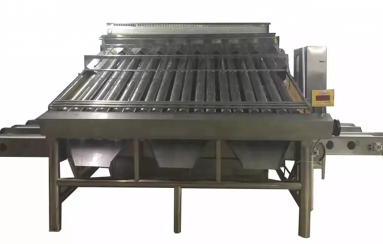
A fish processing machine is a piece of food processing equipment designed to handle one or more fish preparation tasks in a commercial or industrial setting. It may remove scales, open the fish belly, remove internal organs, cut the fish, separate meat from bones, remove skin, wash the product, or move it to the next processing stage.
It is not always one single machine. In many factories, fish processing includes several machines connected by conveyors, washing stations, inspection points, and packaging equipment. A small business may use one automatic fish processing machine for descaling or cutting. A larger seafood factory may use a complete fish processing line equipment setup for continuous production.
Fish processing starts after fish are harvested, received, or thawed. The goal is to turn raw fish into a product customers can cook, sell, freeze, pack, or further process. Depending on the final product, the workflow may include sorting, washing, descaling, heading, gutting, filleting, skinning, trimming, portioning, checking, freezing, and packing.
Fish machinery fits into this workflow by reducing manual steps. It helps operators keep fish moving through each stage. This improves production speed and helps maintain product flow in busy plants.
A fish processing machine focuses mainly on fish body preparation. It may process whole fish, fish fillets, fish portions, or fish meat. Seafood processing equipment is a broader term. It can include equipment for fish, shrimp, crab, shellfish, squid, cooling systems, packing systems, inspection machines, and internal transport systems.
For SEO and buyer intent, this difference matters. A buyer searching for “fish processing equipment for seafood plants” may need a full line. A buyer searching for “fish processing machine types” may still be comparing single machines.
Standalone machines perform one main task. For example, a fish descaling machine removes scales, while a fish skinning machine removes skin from fillets. These machines are useful when a business wants to improve one slow or labor-heavy step.
A complete fish processing line connects several stages. It can include feeding, descaling, gutting, washing, cutting, conveying, inspection, and packaging. This setup is better for factories that need stable output, high hygiene control, and less manual transfer between steps.
Tip: For B2B buyers, start by identifying the slowest or most inconsistent step in your current process before deciding whether you need one machine or a complete line.
To understand how fish processing machines work, start with feeding and positioning. Fish must enter the machine in the correct direction. Some machines use manual feeding, while others use conveyors or automatic guides. The machine then holds or guides the fish so cutting, cleaning, or removal steps happen in the right place.
Good positioning is critical. If the fish moves too much, the cut may be uneven, the yield may drop, or the product may get damaged. For this reason, many industrial fish processing equipment designs use guide rails, belts, rollers, or adjustable channels.
Descaling removes fish scales from the surface. Machines may use brushes, rollers, friction systems, or water-assisted cleaning. Compared with manual scraping, automated descaling can reduce labor and improve consistency.
Gutting and eviscerating are used to open the fish and remove internal organs. In manual processing, this step requires trained workers and close contact with the raw material. In automated fish processing, guided cutting and controlled movement help reduce handling and improve hygiene.
After primary cleaning, fish may go through cutting or further preparation. A cutting machine may split fish, open the back or belly, cut portions, or prepare fish for retail sale. A skinning machine removes skin from fillets. A filleting machine separates fish meat from bones.
Portioning is important for supermarkets, frozen seafood brands, catering suppliers, and ready-to-cook product lines. It helps create consistent size, weight, and appearance.
Many fish processing systems include washing and conveying. After cutting or gutting, the fish may need to be rinsed to remove blood, scales, or residue. Conveyors then move the product to inspection, trimming, packaging, freezing, or further processing.
This smooth transfer is one reason seafood processing equipment for factories often uses integrated layouts. Less manual movement usually means better workflow, fewer delays, and improved hygiene control.
A fish descaling machine removes scales from whole fish before cutting or cooking. It is useful for seafood markets, restaurants, supermarkets, and processing plants. It saves time when workers need to handle large volumes of scaled fish.
This machine is especially valuable when product appearance matters. If descaling is too aggressive, the fish skin may become damaged. If it is too weak, scales remain and affect the customer experience. Adjustable settings help match different fish species and sizes.
A gutting and eviscerating machine opens fish and removes internal organs. It supports cleaner and faster primary fish processing. This equipment is often used in plants that process whole fish for retail, freezing, or further cutting.
The main value is hygiene and consistency. It reduces direct hand contact and helps operators maintain a repeatable workflow. For high-volume production, this can reduce labor pressure during busy shifts.
A fish skinning machine removes skin from fish fillets. A filleting machine separates meat from the bone structure. These machines are common in factories that produce fillets for retail, foodservice, frozen meals, or seafood distribution.
The main goal is yield. Better cutting accuracy can help preserve more usable meat. It also helps create fillets with more consistent shape and thickness.
Cutting and splitting machines prepare fish for specific product formats. They may open the back, open the belly, cut fish into sections, or create fixed-size portions. These machines are helpful for grilled fish suppliers, hot pot restaurants, prepared food brands, and seafood retailers.
Portioning equipment can also support pricing and packaging. When portions are more uniform, it becomes easier to manage weight, labeling, and customer expectations.
Bone removal and meat separation equipment helps remove pin bones, separate fish meat, or recover usable meat from fish frames. It is often used for fish balls, fish cakes, surimi-style products, minced fish, and other value-added items.
This type of fish processing equipment can improve raw material utilization. It helps companies turn more of the fish into sellable products instead of waste.
Packaging machines are not always considered fish processing machines in a narrow sense, but they are important in a complete fish processing line. Vacuum packing, tray sealing, labeling, weighing, and end-of-line systems help protect product freshness and prepare seafood for storage, retail, or export.
Machine Type | Main Function | Common Use |
Fish descaling machine | Removes scales | Whole fish preparation |
Gutting machine | Opens fish and removes organs | Primary processing |
Skinning and filleting machine | Removes skin or separates fillets | Fillet production |
Cutting and portioning machine | Cuts fish into standard sizes | Retail and foodservice |
Bone removal equipment | Removes bones or recovers meat | Value-added products |
Packaging equipment | Packs and labels finished seafood | Distribution and retail |
Fish processing environments are wet, cold, and exposed to salt, blood, scales, and organic waste. This makes material selection important. Food-grade stainless steel is widely used because it is durable, corrosion-resistant, and easier to clean.
A strong machine body also supports long-term use. For seafood processing, hygiene and durability should be basic requirements, not optional upgrades.
Fish vary by shape, size, skin texture, bone structure, and fat content. A machine that works well for one fish may not work well for another. Adjustable guides, blades, cutting depth, belt spacing, or speed settings help operators process different species more effectively.
This is especially important for businesses that handle mixed products. A seafood market, for example, may process several fish types each day. A factory may need stable settings for one high-volume species.
Cleaning is one of the most important parts of fish processing. If a machine has too many hard-to-clean areas, residue can collect and increase hygiene risks. Good equipment should allow easier rinsing, access, inspection, and sanitation.
Hygienic design also affects downtime. If cleaning takes too long, daily production efficiency drops.
Fish machinery often includes sharp blades, moving belts, rollers, and cutting areas. Safety features help protect operators. Common examples include protective covers, emergency stop buttons, stable work surfaces, and guarded cutting zones.
Safe equipment is not only about compliance. It also reduces accidents, training pressure, and production disruption.
Capacity should match real production volume. A small restaurant does not need the same throughput as a seafood processing plant. A factory running multiple shifts needs equipment that can operate reliably over long periods.
Buyers should also consider water use, electricity use, maintenance access, and spare parts availability. These details affect total operating cost.
Note: A low purchase price can become expensive if the machine is hard to clean, hard to repair, or unsuitable for the fish species it must process.
The most direct benefit of fish processing machines is higher efficiency. Repetitive manual tasks such as scaling, gutting, cutting, or skinning take time. Machines help process more fish in less time and keep output more stable during peak demand.
For seafood plants, this can support larger orders. For restaurants or markets, it can reduce waiting time and improve service speed.
Manual results often vary from worker to worker. An experienced worker may produce clean cuts, but consistency becomes harder when volume increases. Automatic fish processing machine systems help standardize the process.
Consistent cutting improves appearance, portion control, cooking performance, and packaging quality. It also makes products easier to price and sell.
Seafood is sensitive to handling conditions. Machines can reduce repeated hand contact and help keep the product moving through a cleaner workflow. They also support better separation between raw material handling and finished product stages.
Of course, machines do not replace proper sanitation. They work best when operators follow cleaning and food safety procedures.
Better cutting accuracy can reduce meat loss. Bone removal and meat separation equipment can also recover usable fish meat from parts that may otherwise be underused. For factories, even small yield improvements can matter over time.
This is one reason industrial fish processing equipment is often evaluated by yield, not just speed.
Fish processing machines can reduce dependence on skilled manual labor. They do not remove the need for trained operators, but they can simplify repetitive tasks and make output less dependent on individual technique.
Tip: When calculating return on investment, include labor savings, yield improvement, rejected product reduction, cleaning time, maintenance cost, and future production growth.
Seafood processing plants use fish processing equipment for large-scale production. They may process whole fish, fillets, frozen portions, value-added seafood, or packaged products. A complete line helps keep production organized from raw material intake to final packaging.
Fish markets and retail stores use machines to speed up customer orders. Descaling, gutting, and cutting machines help staff process fish more quickly while keeping the counter cleaner and more professional.
Restaurants and hotels may use compact machines for daily preparation. This is useful when they process large amounts of fish before peak dining hours.
Supermarkets and ready-to-cook suppliers need consistent portions, clean presentation, and reliable packaging. Fish processing machines help create products that are easier to display, label, and sell.
Fish farms may use processing equipment before selling to distributors, retailers, or factories. It can help them add value instead of selling only whole raw fish.
The first question is simple: what fish will it process, and what final product do you need? A machine for whole fish descaling is different from one for filleting, splitting, or meat separation. Buyers should define fish species, size range, product format, and quality requirements before requesting a machine.
Capacity should reflect real production needs. If the machine is too small, it becomes a bottleneck. If it is too large, it may waste budget, space, and energy. A practical approach is to calculate hourly volume, daily volume, peak season demand, and expected future growth.
Machine size is only one part of layout planning. Buyers should also think about feeding direction, discharge direction, drainage, cleaning space, operator movement, and connection to other equipment. Good workflow reduces product handling and keeps fish moving smoothly.
A fish processing machine must be cleaned often. It also needs routine maintenance. Before purchase, check how easy it is to access blades, belts, guards, and contact surfaces. Also confirm spare parts availability and technical support.
A small company may start with one machine to solve one urgent problem. A larger factory may need fish processing line equipment to control the whole process. Complete lines usually cost more, but they can improve flow, hygiene, and labor efficiency.
Buying Factor | Why It Matters | What to Check |
Fish species | Different fish need different handling | Size, shape, skin, bone structure |
Final product | Machine choice depends on output | Whole fish, fillet, portion, minced meat |
Capacity | Prevents bottlenecks or waste | Hourly and daily production |
Cleaning | Affects hygiene and downtime | Access, drainage, removable parts |
Layout | Impacts workflow efficiency | Feeding, discharge, space, conveyors |
Support | Reduces long-term risk | Spare parts, service, training |
Tip: Ask suppliers to test your actual fish sample when possible. Real product testing is more reliable than judging only from catalog specifications.
A fish processing machine helps when manual work limits speed, hygiene, consistency, or production growth.
It turns raw fish into cleaner fillets, portions, packaged seafood, and value-added products.
The right machine depends on fish type, product form, capacity, layout, hygiene needs, and budget.
Yantai Guangwei Food Cold Chain Technology Co., Ltd. provides processing and freezing solutions.
Its equipment helps seafood businesses improve workflow, product stability, and long-term production value.
A: It automates fish processing tasks like descaling, gutting, cutting, washing, and conveying.
A: They feed, position, clean, cut, and move fish through controlled processing equipment.
A: It improves fish processing speed, hygiene, consistency, and labor efficiency.
A: Types include descaling, gutting, filleting, skinning, cutting, bone removal, and packaging machines.
A: Capacity, automation level, materials, layout, and support needs affect cost.
A: Check fish size settings, blade condition, feeding direction, and cleaning routine.
