
Views: 0 Author: Site Editor Publish Time: 2026-07-15 Origin: Site


What equipment does a fish plant really need? In fish processing, the right machines turn raw fish into clean, safe, and market-ready products. This guide explains the key equipment used at each stage, from washing and filleting to freezing, packaging, and quality control.
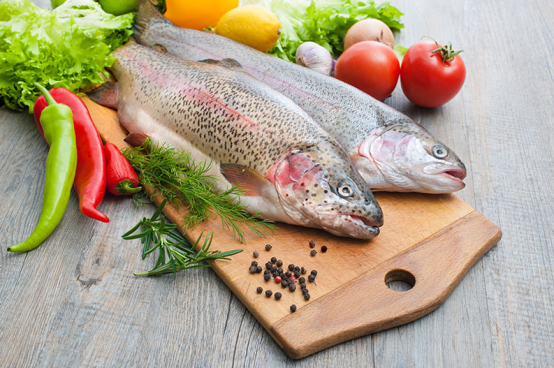
Fish is a delicate raw material. It spoils quickly, loses moisture easily, and can be damaged by rough handling. Good fish processing equipment helps processors control these risks from the moment raw fish enters the plant.
The right seafood processing equipment improves four key areas. First, it protects freshness by reducing delays and keeping fish at the right temperature. Second, it improves yield by cutting, trimming, and separating meat more accurately. Third, it supports hygiene because stainless-steel machines and cleanable surfaces reduce contamination risks. Fourth, it reduces manual labor, especially in repetitive jobs such as washing, scaling, filleting, weighing, and packaging.
This article is useful for seafood factories, frozen food plants, aquaculture processors, catering suppliers, and buyers planning a new fish processing line. It explains the main types of fish processing equipment in a clear process order, from raw material handling to finished product packaging.
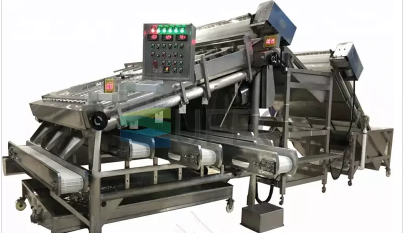
The core stage of fish processing starts with raw fish handling and ends with prepared fish portions, fillets, or semi-finished products. This section covers the most common commercial fish processing equipment used in primary and secondary processing.
Receiving equipment is used when fish first arrives at the processing plant. It may include stainless-steel receiving tables, insulated bins, weighing platforms, loading conveyors, lifting systems, and hoists. These machines help workers move raw fish quickly while reducing direct hand contact.
For small plants, manual receiving tables and bins may be enough. For higher-volume facilities, conveyors and automatic loading systems keep the production line moving. They also help reduce physical strain on workers.
Good receiving equipment should be easy to wash, corrosion-resistant, and suitable for wet environments. Since fish processing often involves cold water, ice, salt, and organic waste, weak materials can fail quickly.
Fish cleaning and washing equipment removes blood, slime, sand, loose scales, and surface impurities before cutting. Common systems include spray washers, washing tanks, bubble washers, rotary washers, and conveyor washing machines.
This step matters because dirty raw material can affect every later stage. If fish enters a filleting machine with too much slime or debris, cutting accuracy may drop. It can also increase cleaning work later.
Processors should choose washing equipment based on fish size, skin condition, and throughput. Whole fish may need stronger spray washing, while delicate fillets need gentler water flow to avoid damage.
Tip: Washing should clean the fish without soaking it for too long, as excessive water contact may affect texture and weight control.
Sorting and grading machines separate fish by size, weight, species, or quality level. They help processors feed similar fish into the same downstream machine. This makes cutting, filleting, and packaging more consistent.
For example, fish filleting and cutting machines usually perform better when fish size is controlled. If large and small fish enter the same line without grading, operators may see uneven cuts, more waste, and unstable output.
Sorting can be manual, semi-automatic, or fully automatic. Advanced grading systems may use weighing devices, sensors, or visual inspection to improve accuracy.
A fish scaler removes scales before further processing. It is often used for species sold with skin-on presentation or cooked products where scale removal is necessary. Scaling machines may use rotating brushes, drums, or water-assisted systems.
Skinning machines remove the skin from fillets or whole fish pieces. They are common in plants producing ready-to-cook fillets, frozen portions, and value-added seafood products. A good skinning machine should remove skin cleanly while keeping meat loss low.
Scaling and skinning reduce manual labor, but they must be matched to the fish species. Some fish have delicate skin, while others have thick scales. The wrong setting may damage flesh or lower yield.
Gutting and evisceration machines remove internal organs. Heading machines remove the head, while fin and tail cutting systems remove unwanted parts before further cutting. These machines are important in primary fish processing.
They improve speed and hygiene because workers spend less time handling viscera and waste. They also help create a cleaner product flow. In larger plants, these machines are often connected directly to conveyors and waste collection systems.
The main selection factors include fish size range, species, desired cut style, and cleaning access. Machines should be easy to open, inspect, and sanitize after each shift.
Filleting equipment is one of the most important parts of a modern fish processing line. A filleting machine separates meat from the frame and produces clean fillets for further trimming, freezing, or packaging.
Deboning and pin bone removal machines remove small bones left in the fillet. They are especially useful for retail products, ready meals, and foodservice supply, where bone control affects safety and customer satisfaction.
Good filleting equipment can improve yield because it cuts closer to the bone while reducing flesh damage. It also improves product consistency. However, performance depends on fish size, freshness, operator setup, and maintenance.
Cutting machines prepare fish into steaks, cubes, strips, loins, or fixed-weight portions. Slicers are used for smoked fish, frozen blocks, or thin seafood cuts. Portioning systems help plants supply uniform products for retail trays, frozen meals, restaurants, and export orders.
Some machines cut by length. Others cut by weight. Weight-controlled portioning is valuable when buyers require tight portion standards.
Here is a simple overview of common equipment and its role:
Equipment Type | Main Function | Typical Use |
Receiving tables and conveyors | Move raw fish into the line | Whole fish intake |
Washing machines | Remove slime, blood, and debris | Pre-processing |
Graders | Sort by size or weight | Stable cutting and pricing |
Fish scaler | Remove scales | Skin-on products |
Filleting machine | Separate meat from bones | Fresh or frozen fillets |
Pin bone remover | Remove small bones | Retail fillets |
Portion cutter | Cut uniform portions | Frozen meals and foodservice |
Packaging machine | Seal finished products | Retail and export packs |
Temperature control is critical in fish processing. Even a well-cut product can lose value if it is not chilled or frozen correctly.
Cold rooms and refrigeration systems keep raw fish, semi-finished products, and packed seafood at controlled temperatures. They are used before processing, between production steps, and after packaging.
A plant may need separate cold storage zones for raw materials, work-in-progress products, and finished goods. This helps reduce cross-contamination and supports better inventory control.
Freezing equipment for fish processing includes blast freezers, plate freezers, spiral freezers, and freezing tunnels. These systems lower product temperature quickly to protect texture, color, and freshness.
A freezing tunnel is often used for continuous production. Fish portions or fillets move through the tunnel on a belt while cold air freezes them evenly. Plate freezers are common for blocks or flat-packed products. Blast freezers are flexible and useful for batch freezing.
Ice machines produce flake ice or other ice forms to keep fish cold during handling and transport. Chilled water systems help control temperature during washing, bleeding, or short-term holding.
Tip: Freezing capacity should match peak production, not only average daily output. Under-sized freezing equipment can create bottlenecks and quality loss.
Packaging protects fish after processing. It also affects shelf life, presentation, traceability, and transport safety.
Vacuum packaging machines remove air from the package before sealing. This helps reduce oxidation and slows quality loss. They are widely used for fish fillets, seafood portions, smoked fish, and frozen products.
Vacuum packaging can be done by chamber machines, belt-type systems, or automatic lines. The right choice depends on product size, pack volume, labor cost, and retail requirements.
Fish packaging equipment for seafood plants may include tray sealers, thermoforming machines, heat sealers, shrink packaging systems, and bagging machines. Tray sealers are common for retail seafood packs. Thermoforming machines are suitable for high-volume production because they form, fill, and seal packages in one continuous process.
A good packaging machine should create a reliable seal, reduce leakage, and handle wet products well. Poor sealing can lead to rejected goods, shorter shelf life, and customer complaints.
End-of-line equipment includes weighing scales, checkweighers, labelers, printers, and metal detectors. These systems support accurate pack weight, product information, traceability, and food safety checks.
Labels may include product name, origin, weight, batch number, storage method, and expiration date. For export orders, accurate labeling is especially important because different markets may require different information.
Note: Packaging is not only the final step. It is part of the quality control system.
Different seafood products need different machine combinations. A fresh fillet plant, frozen portion line, smoked fish line, and surimi plant will not use the same setup.
A fresh or frozen fillet line usually includes receiving tables, washing equipment, graders, filleting machines, trimming tables, pin bone removers, chillers, freezers, and packaging machines.
For fresh fillets, visual appearance and clean trimming matter. For frozen fillets, freezing speed, moisture control, and package sealing become more important.
Value-added fish products may need thermal processing equipment such as smokers, steamers, cookers, fryers, dryers, cooling tunnels, and seasoning systems.
Smoked fish lines usually include salting or brining equipment, smoking chambers, cooling units, slicers, and vacuum packaging machines. Cooked or fried fish lines may need battering, breading, frying, cooling, and final packing systems.
These products often have higher retail value, but they need tighter process control. Temperature, time, airflow, and hygiene all affect final quality.
Fish paste, surimi, fish balls, fish cakes, and by-product recovery require different fish processing machinery. Common systems include meat separators, grinders, mixers, refiners, forming machines, cookers, and cooling systems.
By-product handling equipment can process heads, frames, skin, and trimmings into usable material. This helps reduce waste and may create extra value from raw material that would otherwise be discarded.
Modern fish processing plants often combine individual machines into a connected line. This improves flow, reduces manual transfer, and helps operators control quality.
Conveyors move fish between washing, grading, cutting, freezing, and packing steps. They reduce carrying, lifting, and manual contact. They also make the line easier to plan.
Integrated lines are useful for processors that handle high volume or need consistent output. A complete line may connect receiving, washing, filleting, portioning, freezing, weighing, and packaging in one controlled flow.
Automation can help detect fish size, shape, weight, and defects. Vision systems may support sorting or cutting decisions. Weighing control helps portioning machines hit target weights more accurately.
These systems reduce human error. They also create useful production data. Operators can track speed, yield, rejects, and downtime more easily.
Fish plants need strict cleaning because wet surfaces, protein residue, and organic waste can increase contamination risk. Sanitation equipment includes foam cleaning systems, spray stations, tool sterilizers, boot washers, hand-washing stations, and cleanable conveyor designs.
Machines should have smooth surfaces, accessible parts, and drainage-friendly structures. Easy cleaning reduces downtime and supports safer production.
Waste handling systems collect bones, skin, scales, heads, viscera, and trimming waste. They may include waste conveyors, bins, pumps, grinders, and separation systems.
Good waste handling keeps the production area cleaner. It also prevents waste from blocking the main line.
Choosing fish processing equipment starts with species, product form, capacity, hygiene needs, space, and target market.
Small plants may begin with washing, scaling, filleting, freezing, and packaging machines.
Larger plants may add grading, conveyors, metal detection, labeling, and automated freezing systems.
Blast Quick Freezer, Frozen Food Processing Machinery-Guangwei
Yantai Guangwei Food Cold Chain Technology Co., Ltd. provides quick-freezing and frozen food processing solutions.
Its equipment helps processors improve safety, consistency, efficiency, and future production growth.
A: A basic fish processing equipment list includes washers, graders, a fish scaler, a filleting machine, freezers, and a packaging machine.
A: Fish processing machines reduce manual work, improve cutting consistency, protect hygiene, and support faster seafood processing equipment lines.
A: Fish processing needs washing equipment to remove blood, slime, sand, and surface impurities before cutting or packaging.
A: Cost depends on capacity, automation level, freezing equipment for fish processing, plant space, and service needs.
A: A freezing tunnel freezes products quickly, while cold storage keeps finished seafood stable after processing.
