
Views: 0 Author: Site Editor Publish Time: 2026-02-02 Origin: Site


Cooling towers are essential for many industrial processes, but what makes a cooling tower truly efficient?
In this article, we’ll explore the role of cooling towers, focusing on the innovative spiral cooling tower. You’ll learn how these systems work and their importance in improving energy efficiency.
In this post, we will discuss how cooling towers, especially spiral cooling towers, contribute to energy savings and sustainable industrial practices.
Type of Cooling Tower | Description | Best Application |
Spiral Cooling Tower | Optimized spiral design for enhanced airflow and water circulation. | Ideal for industrial systems where space is limited but high cooling efficiency is required. |
Wet Cooling Tower | Uses water to cool air, typically seen in larger applications. | Perfect for large-scale power plants or HVAC systems. |
Dry Cooling Tower | Air-cooled and does not rely on water. | Used in areas with water scarcity or when water use must be minimized. |
A cooling tower is a heat exchange device that facilitates the removal of heat from a system by transferring it to the atmosphere. These towers operate on the principle of evaporative cooling, where a small portion of water is evaporated to cool the remaining water, which is then recirculated back into the system.
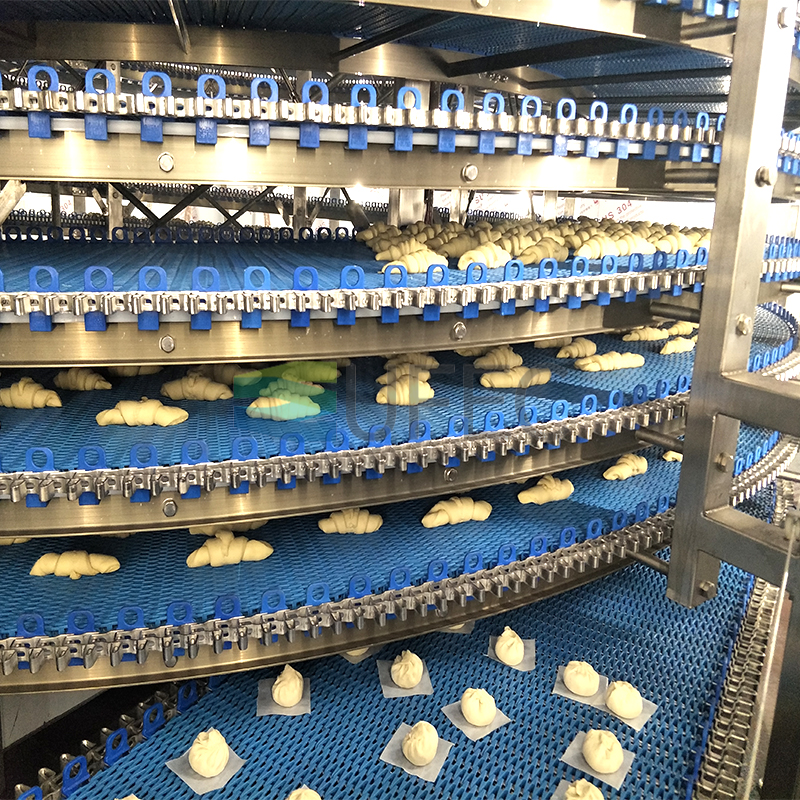
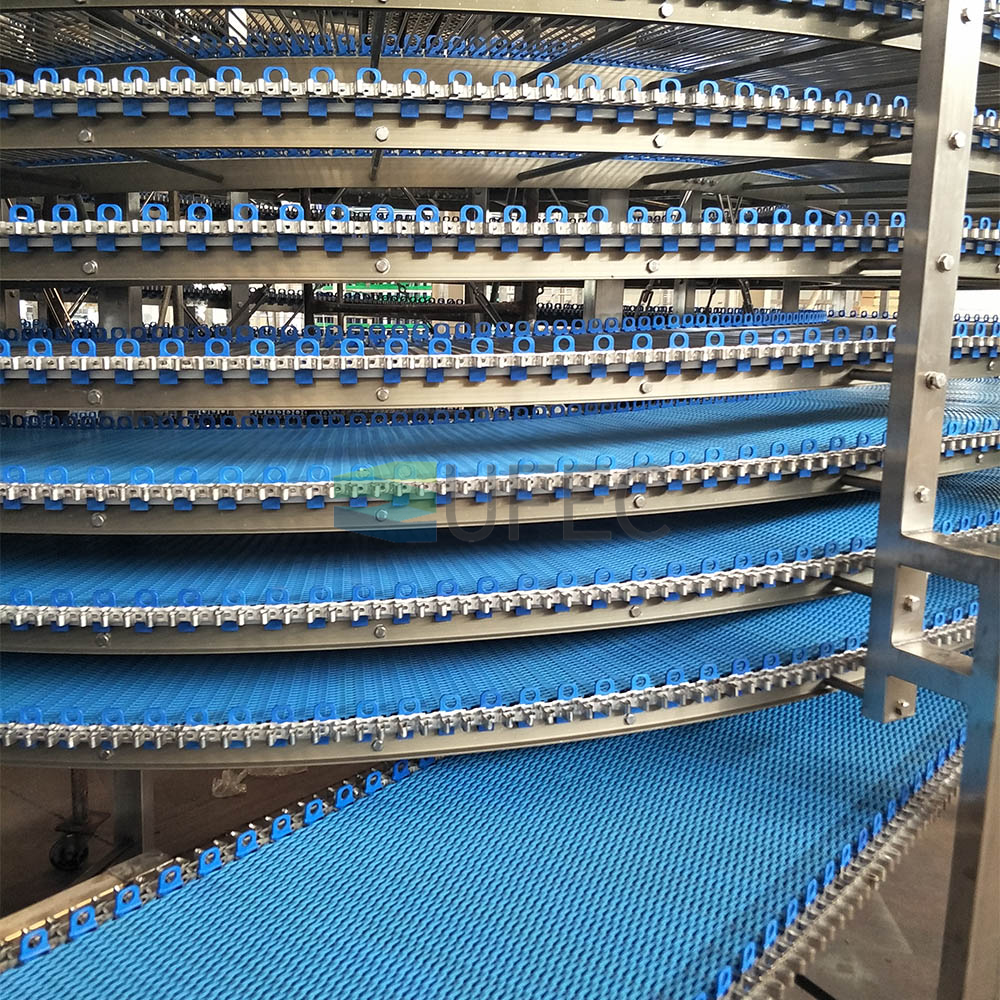
Spiral Cooling Tower: One type of cooling tower, the spiral cooling tower, features a unique design that maximizes airflow and heat exchange efficiency. The spiral structure increases the surface area for evaporation, making it an efficient option for large-scale industrial applications.
Cooling towers consist of several key components that enable their proper functioning:
● Fill Media: The fill media is a critical component that increases the surface area for heat exchange between the water and air. This material is designed to maximize the contact area for heat transfer, allowing more efficient cooling of the water.
● Water Distribution System: Ensures uniform distribution of water across the fill media.
● Fan: Helps in circulating air through the tower to promote evaporation.
● Drift Eliminators: Prevents water droplets from escaping the tower and reduces water loss.
Benefit | Description |
Compact Design | Spiral cooling towers take up less space, making them ideal for areas with space constraints. |
Improved Efficiency | The spiral structure promotes more efficient airflow, ensuring better heat dissipation. |
Energy Saving | Optimized circulation reduces the need for excessive energy use, lowering operating costs. |
Low Maintenance | With fewer components exposed to harsh conditions, spiral cooling towers typically require less maintenance. |
Wet cooling towers use water as the cooling medium. The water absorbs heat from industrial processes, and the heated water is cooled by evaporating a portion of it through the fill media. The spiral cooling tower, a type of wet cooling tower, improves evaporation efficiency with its spiral design, enhancing the heat transfer process.
Dry cooling towers operate without the use of water. Instead, they use air to cool the working fluid or equipment. These towers are more suitable for areas where water is scarce, and they are commonly found in colder climates.
Hybrid towers combine the advantages of both wet and dry cooling towers. These towers can switch between wet and dry modes depending on environmental conditions, offering flexibility and efficiency in a variety of applications.
Cooling towers are essential for maintaining temperature control in industrial settings. By effectively dissipating heat, cooling towers reduce the reliance on more energy-intensive cooling systems like air conditioning or refrigeration. This energy-saving benefit makes cooling towers an important component in reducing operational costs.
Cooling towers, particularly the spiral cooling tower, optimize cooling efficiency by improving heat exchange processes. The spiral design helps in maximizing the interaction between water and air, which ensures that more heat is dissipated, leading to a more energy-efficient system.
Tip: When selecting a cooling tower, consider factors like airflow and surface area to ensure maximum cooling efficiency. Spiral cooling towers excel in this regard.
The performance of cooling towers, including spiral cooling towers, is heavily influenced by environmental factors such as ambient temperature, humidity, and wind speed. Hotter climates or areas with high humidity may necessitate larger or more efficient towers to achieve optimal performance.
Proper maintenance is crucial to ensuring the effective operation of cooling towers. Regular cleaning of components such as the fan, fill media, and water distribution system is essential. For spiral cooling towers, the unique design may require special cleaning techniques to maintain optimal airflow and cooling performance.
The quality of the water used in the cooling tower affects both efficiency and longevity. Hard water with high mineral content can clog the system, reducing efficiency and causing long-term damage. It’s crucial to treat water before introducing it into the cooling tower.
Tip: Regularly check water quality and install appropriate filtration systems to maintain efficiency and extend the lifespan of cooling towers.
Cooling towers, especially wet cooling towers, can consume large amounts of water. However, technologies like spiral cooling towers are designed to optimize water usage, reducing consumption through efficient evaporation processes and better water recirculation systems.
Cooling towers, especially large ones, can contribute to noise pollution and air humidity. Manufacturers are continuously developing quieter and more environmentally friendly models. Spiral cooling towers, with their design, help minimize noise levels while still offering high-performance cooling.
Spiral cooling towers have a distinctive design that increases the surface area for heat transfer. This increased surface area ensures that more heat is dissipated, resulting in superior cooling efficiency. Spiral cooling towers also have enhanced airflow, leading to improved heat exchange.
Spiral cooling towers are ideal for industrial settings where space efficiency and high-performance cooling are essential. These towers are commonly used in power plants, refineries, and other large-scale operations that require continuous heat dissipation.
Tip: Spiral cooling towers are especially suited for industries that require a compact, yet highly efficient cooling solution.
Cooling towers play a critical role in maintaining temperature control and improving energy efficiency in industrial processes. Spiral cooling towers, in particular, provide significant advantages, offering a more compact design and better heat exchange performance. HANGZHOU REACH BUILDING CO., LTD. offers innovative cooling tower solutions, ensuring efficient and reliable cooling for various industries. Their advanced products help reduce energy consumption while maximizing performance.
A: A cooling tower is a heat dissipation system used to cool down water used in industrial processes. It transfers excess heat to the atmosphere, maintaining proper temperatures for systems.
A: A spiral cooling tower uses a spiral design to optimize airflow and water circulation, enhancing cooling efficiency in a more compact form compared to traditional designs.
A: Cooling towers are essential for regulating the temperature in industrial systems, preventing overheating of machinery and improving the overall efficiency of operations.
