
Views: 0 Author: Site Editor Publish Time: 2026-02-24 Origin: Site


Are you sure your meat processing equipment is properly cleaned? Poor maintenance can lead to contamination and health risks.
In this article, we’ll walk you through the essential steps to clean meat processing equipment. You’ll learn which tools, methods, and precautions are needed to keep your equipment in top shape.
Meat processing equipment is a crucial part of ensuring that food products are safely processed and packaged for consumption. However, without proper cleaning, the equipment can become a breeding ground for harmful bacteria and other contaminants. The importance of cleaning meat processing equipment cannot be overstated. Regular cleaning not only ensures food safety but also helps maintain the efficiency and longevity of the equipment.
Meat processing equipment handles raw products that are susceptible to bacterial growth. Without regular cleaning, harmful pathogens like Salmonella or E. coli can contaminate the product, posing significant health risks. Effective cleaning removes residues, fats, and particles that harbor bacteria, ensuring a hygienic environment for further processing.
Food safety regulations such as those from the FDA, USDA, and HACCP require meat processing facilities to meet strict cleanliness standards. Cleaning procedures must be documented, and facilities must undergo regular inspections. Failure to meet these standards can result in fines, product recalls, and loss of consumer trust.
Aside from hygiene concerns, cleaning also helps preserve the mechanical integrity of meat processing equipment. Buildup from fats, food particles, and liquids can clog machinery, leading to malfunctions, reduced efficiency, and costly repairs. Regular cleaning and maintenance extend the lifespan of the equipment.
Cleaning Method | Description | Best for |
Manual Cleaning | Involves disassembling and scrubbing equipment with brushes and approved detergents. | Small-scale operations, simple equipment |
Pressure Washing | Uses high-pressure water jets to remove large debris and contaminants. | Large equipment, machinery with extensive parts |
Chemical Cleaning | Involves using specific food-grade chemicals for thorough sanitization. | Equipment with tough stains or grease |
Steam Cleaning | Uses high-temperature steam to sanitize surfaces and kill bacteria. | Sensitive equipment or hard-to-reach parts |
Different equipment, such as grinders, slicers, mixers, and saws, each require specialized cleaning methods. Understanding the type of equipment you’re working with helps tailor the cleaning process. For example, grinders need to be disassembled for thorough cleaning, while slicers may require detailed blade sanitation.
To effectively clean meat processing equipment, you'll need specialized cleaning tools and materials, including:
Detergents: Opt for food-safe, grease-cutting detergents to ensure that no harmful substances are left behind while effectively removing fats and food residues.
Brushes: Use durable, food-grade brushes designed to scrub surfaces and get into tight spots that are difficult to reach, ensuring thorough cleanliness.
Scrapers: Utilize scrapers to remove stubborn residues, especially for dried or stuck food particles on surfaces and machinery parts.
Power Washers: High-pressure power washers are highly effective for cleaning large or industrial-sized meat processing equipment quickly, ensuring efficiency and thorough cleaning.
The frequency of cleaning depends on how often the equipment is used. For high-volume meat processing, equipment should be cleaned daily to avoid bacteria buildup. For smaller-scale operations, weekly deep cleaning may be sufficient. Always clean equipment after switching between meat types (e.g., pork, beef) to avoid cross-contamination.
Cleaning meat processing equipment properly is vital to ensure the safety and quality of meat products. The following step-by-step guide outlines the essential cleaning procedures to follow to maintain both hygiene and the functionality of your equipment.
Before starting, ensure that the equipment is powered off and disassembled where possible. Remove any removable parts such as blades, grinders, or sieves. This step prevents accidents and ensures thorough cleaning.
1. Turn off equipment: Disconnect power and ensure no live electrical parts remain in contact with water.
2. Disassemble parts: Remove blades, feeders, and other detachable components.
3. Use protective gear: Wear gloves, safety goggles, and face shields to protect from chemical exposure.
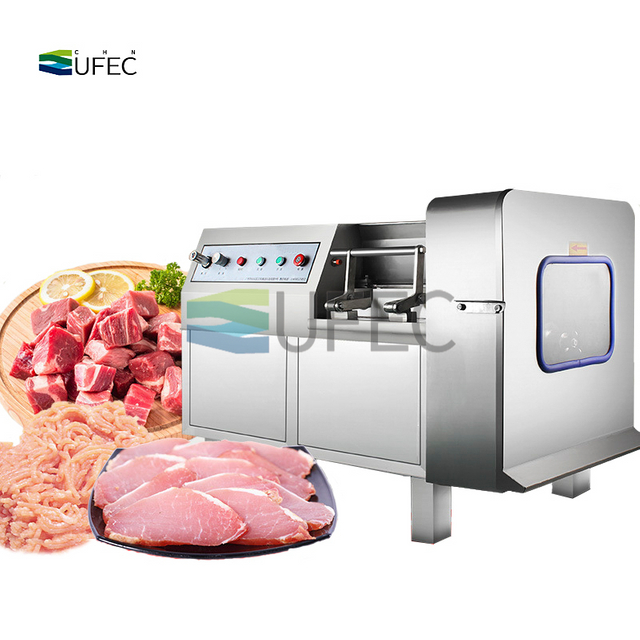
● Manual Cleaning: For small or intricate components, use a brush to scrub off residues. Apply a mild detergent mixed with warm water to prevent bacterial growth.
● Soak Components: Submerge parts that can be removed (like blades or trays) in a solution of detergent and warm water. Let them soak for a few minutes to loosen buildup.
After cleaning, it is essential to disinfect surfaces to kill any remaining bacteria. Use a food-safe disinfectant approved by health standards and allow it to sit on surfaces for the recommended time before rinsing.
Once cleaned and disinfected, thoroughly dry all parts to avoid moisture buildup, which could promote bacterial growth.
Always make sure that your equipment is thoroughly dried before reassembling to avoid mold growth.
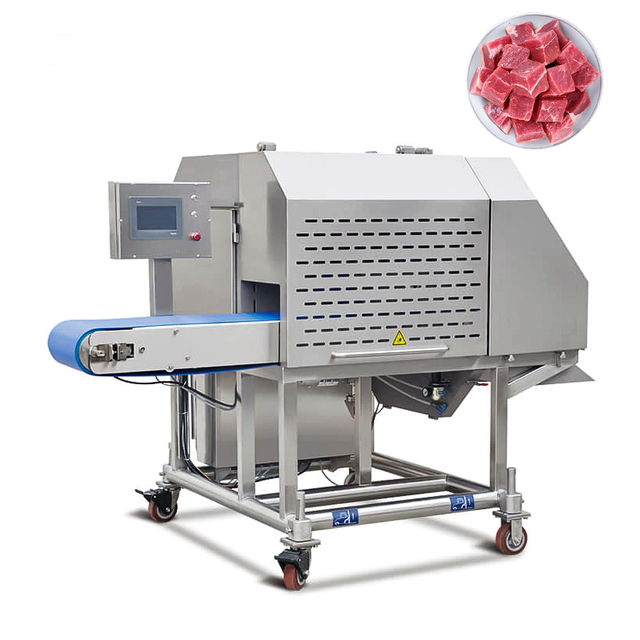
Different meat processing machines require specific cleaning methods to ensure they operate efficiently and remain hygienic. Below is a detailed guide on how to clean various types of meat processing equipment, including grinders, slicers, mixers, and choppers.
Grinders need to be disassembled to clean their internal components. Wash each part separately, using scrapers to remove meat residue. After cleaning, sanitize the grinder blades to avoid contamination from previous meat types.
Slicers, particularly those with sharp blades, require attention to detail. Use a non-abrasive cloth to wipe the blade and other parts to remove any residue. A soft brush can help clean hard-to-reach areas.
For mixers and choppers, pay special attention to the internal rotating parts, as meat residues can accumulate quickly. Clean these parts using a brush, followed by a sanitizing rinse. For large mixers, a power washer is effective.
Always inspect moving parts after cleaning for wear and tear. Worn components may need to be replaced to ensure smooth operation.
Mistake | Consequences | Solution |
Using non-food-safe cleaners | Contamination of meat products | Always use food-grade cleaning agents |
Inadequate drying | Bacterial growth due to moisture | Ensure all parts are thoroughly dried before reassembly |
Skipping regular inspections | Increased risk of cross-contamination | Conduct regular maintenance checks and cleanings |
Not following manufacturer guidelines | Damage to equipment and inefficient cleaning | Follow the equipment manual for proper cleaning procedures |
While it may seem tempting to use powerful chemical cleaners to remove stubborn residues, these substances can cause significant damage to meat processing equipment. Strong chemicals not only risk corroding the equipment but can also leave harmful residues that may contaminate the meat, posing a health hazard. Additionally, prolonged use of harsh chemicals can degrade the material of the equipment, leading to quicker wear and tear.
Always opt for food-safe detergents that are designed specifically for cleaning meat processing equipment. These detergents are effective at breaking down grease and food residues without compromising the integrity of the equipment. They are also formulated to meet the rigorous standards set by regulatory bodies, ensuring that the cleaning process does not interfere with food safety.
Cleaning is just one part of proper equipment maintenance. Regular checks for wear, rust, or damage are just as critical in ensuring the long-term functionality of meat processing equipment. Neglecting routine maintenance checks can lead to malfunctioning components, reduced efficiency, and the need for costly repairs or replacements. Over time, unnoticed wear can also result in unsafe operating conditions, endangering workers and consumers alike.
Establish a regular maintenance schedule for all equipment, including grinders, slicers, mixers, and other machinery. This should include inspecting moving parts, checking for corrosion or rust, and ensuring that any components subject to wear, such as blades and seals, are replaced or repaired as needed. A proactive approach to maintenance will extend the lifespan of the equipment and prevent sudden breakdowns.
Failure to dry components after cleaning can lead to rust, mold, and bacterial growth. Always ensure that all parts are completely dry before reassembling.
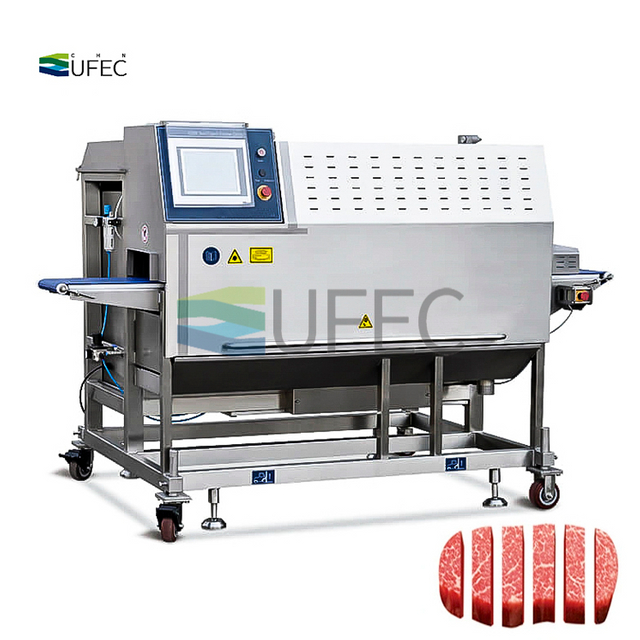
Cleaning meat processing equipment is essential for maintaining hygiene and ensuring food safety. Proper cleaning steps include preparation, disinfection, and drying. Using the right tools and methods can prevent contamination and extend equipment life. Yantai Guangwei Food Cold Chain Technology Co., Ltd. offers reliable cleaning solutions, ensuring the highest standards in meat processing operations.
A: Meat processing equipment includes tools and machines used for slaughtering, cutting, and packaging meat. It ensures that meat is processed safely and efficiently.
A: Cleaning meat processing equipment is essential to prevent contamination, ensure food safety, and comply with health regulations.
A: Meat processing equipment should be cleaned regularly, ideally after each use, to maintain hygiene and avoid cross-contamination.
A: The steps include disassembling the equipment, washing with water and detergent, disinfecting, and thoroughly drying to ensure no bacteria remain.
A: No, it is best to use food-safe cleaning products specifically designed for meat processing equipment to avoid contamination risks.
